إعداد: إنانا علي

الطباعة ثلاثية الأبعاد بتقنية FDM في الطب الشخصي

مدونة علمية حول استخدام تقنية الترسيب المنصهر FDM في تصميم وتحسين أنظمة إيتاء الدواء، مع التركيز على الجرعات الشخصية، التحرر الدوائي المضبوط، وجودة الأدوية المطبوعة.

Author: Inana ALI

FDM 3D Printing for Personalized Medicine

An educational blog about the use of Fused Deposition Modeling in the design and optimization of drug delivery systems, with a focus on personalized doses, controlled release, and quality of printed medicines.

Auteure : Inana ALI

L’impression 3D FDM en médecine personnalisée

Un blog pédagogique sur l’utilisation de la modélisation par dépôt de filament fondu dans la conception et l’optimisation des systèmes d’administration des médicaments, avec un accent sur les doses personnalisées, la libération contrôlée et la qualité des médicaments imprimés.

مراحل تصنيع قرص دوائي مطبوع

من اختيار المادة الفعالة إلى اختبارات الجودة النهائية.

Steps for producing a printed tablet

From API selection to final quality testing.

Étapes de fabrication d’un comprimé imprimé

Du choix du principe actif aux contrôles qualité finaux.

1

اختيار المادة الفعالة والبوليمر

API and polymer selection

Choix de l’API et du polymère

2

تحضير الخيط بتقنية HME

Filament preparation by HME

Préparation du filament par HME

3

تصميم القرص CAD

CAD tablet design

Conception CAO du comprimé

4

إعدادات Slicer

Slicer settings

Paramètres du slicer

5

الطباعة بتقنية FDM

FDM printing

Impression FDM

6

اختبارات الجودة والتحرر

Quality and release tests

Contrôles qualité et libération

الطباعة الدوائية بتقنية FDM: خطوة نحو الصيدلة الشخصية

بقلم: إنانا علي
جامعة اللاذقية، كلية الصيدلة

ما هي تقنية FDM؟

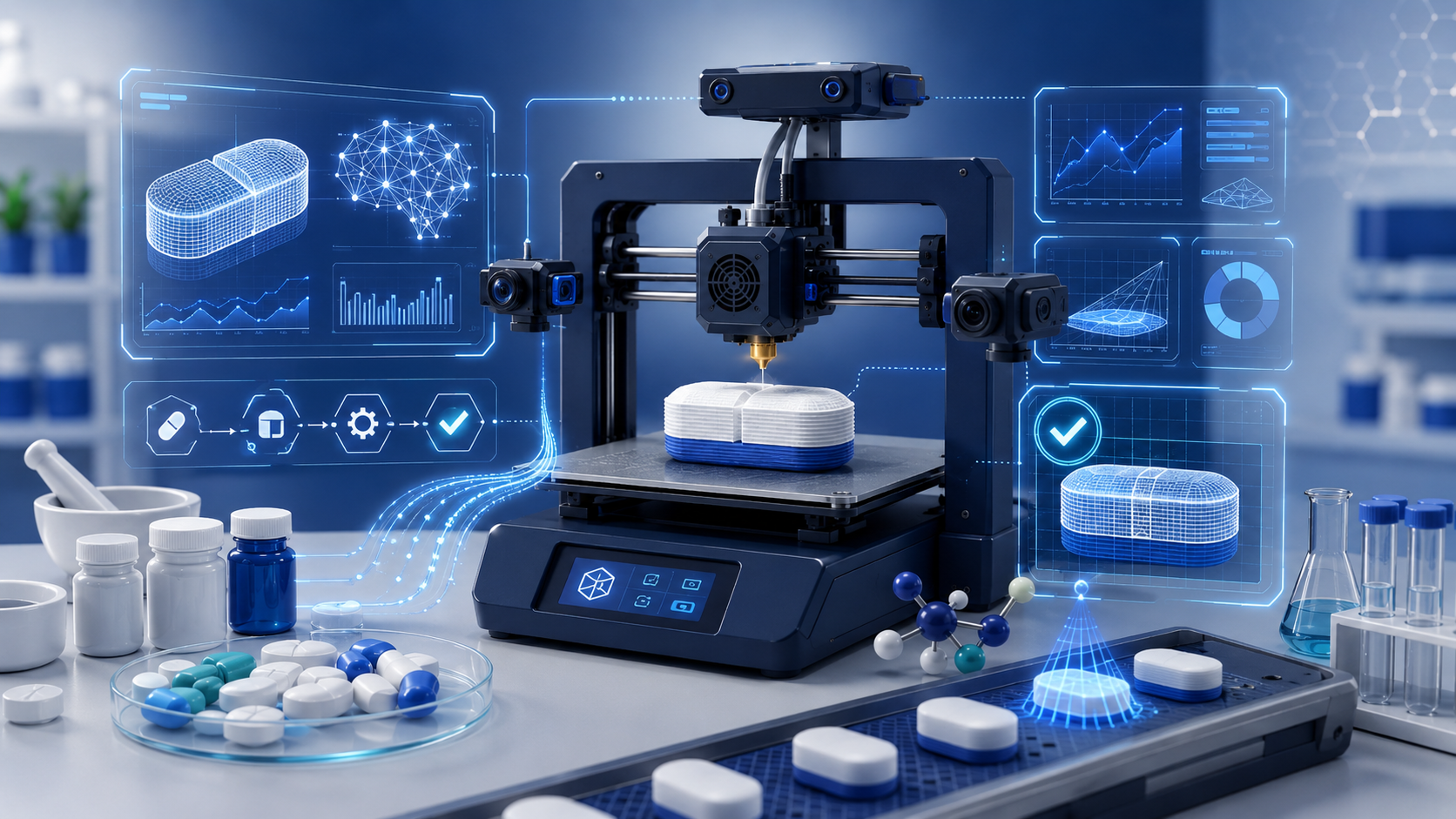
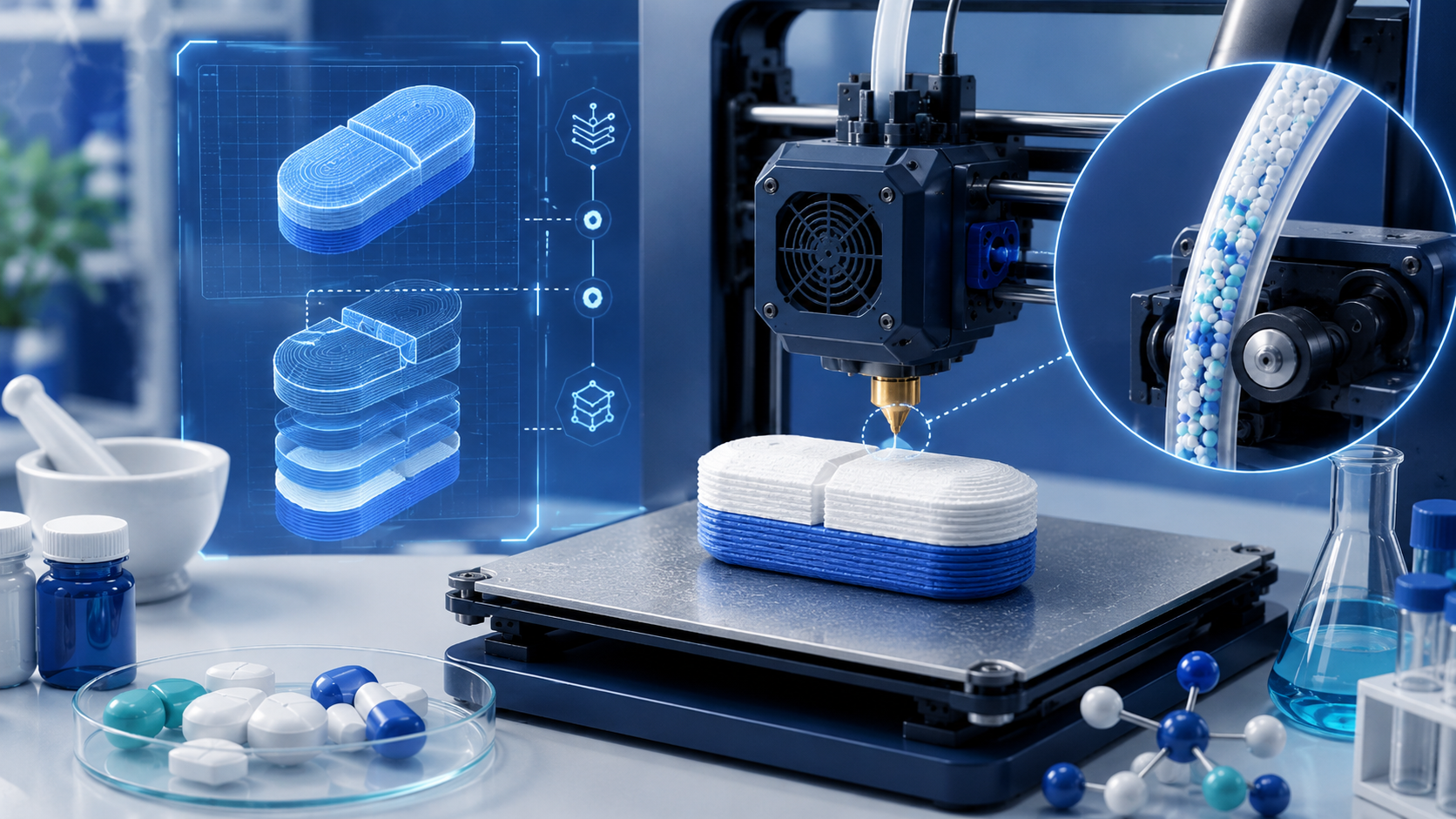
تعتمد تقنية FDM على صهر خيط بوليمري حراري ثم بثقه عبر فوهة دقيقة لبناء الشكل الدوائي طبقة بعد طبقة. في المجال الصيدلاني، يمكن أن يكون هذا الخيط محملاً بالمادة الفعالة، مما يسمح بإنتاج أقراص ذات بنية داخلية مصممة مسبقاً.

الأهمية الصيدلانية

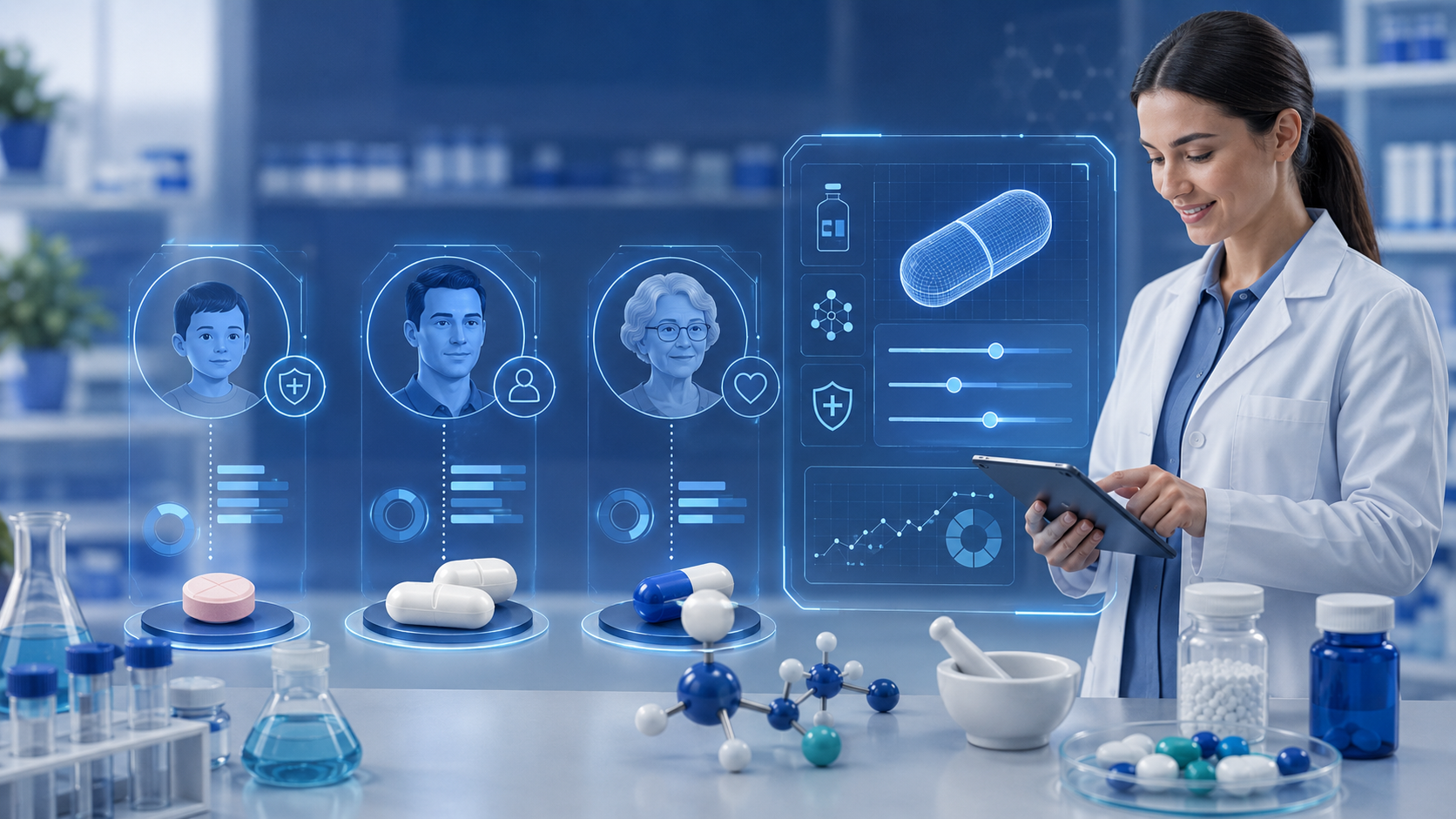
تتيح هذه التقنية تعديل الجرعة والشكل ونمط التحرر وفق احتياجات المريض. لذلك فهي مناسبة للطب الشخصي، خاصة للأطفال وكبار السن ومرضى الأمراض المزمنة.

التحرر الدوائي

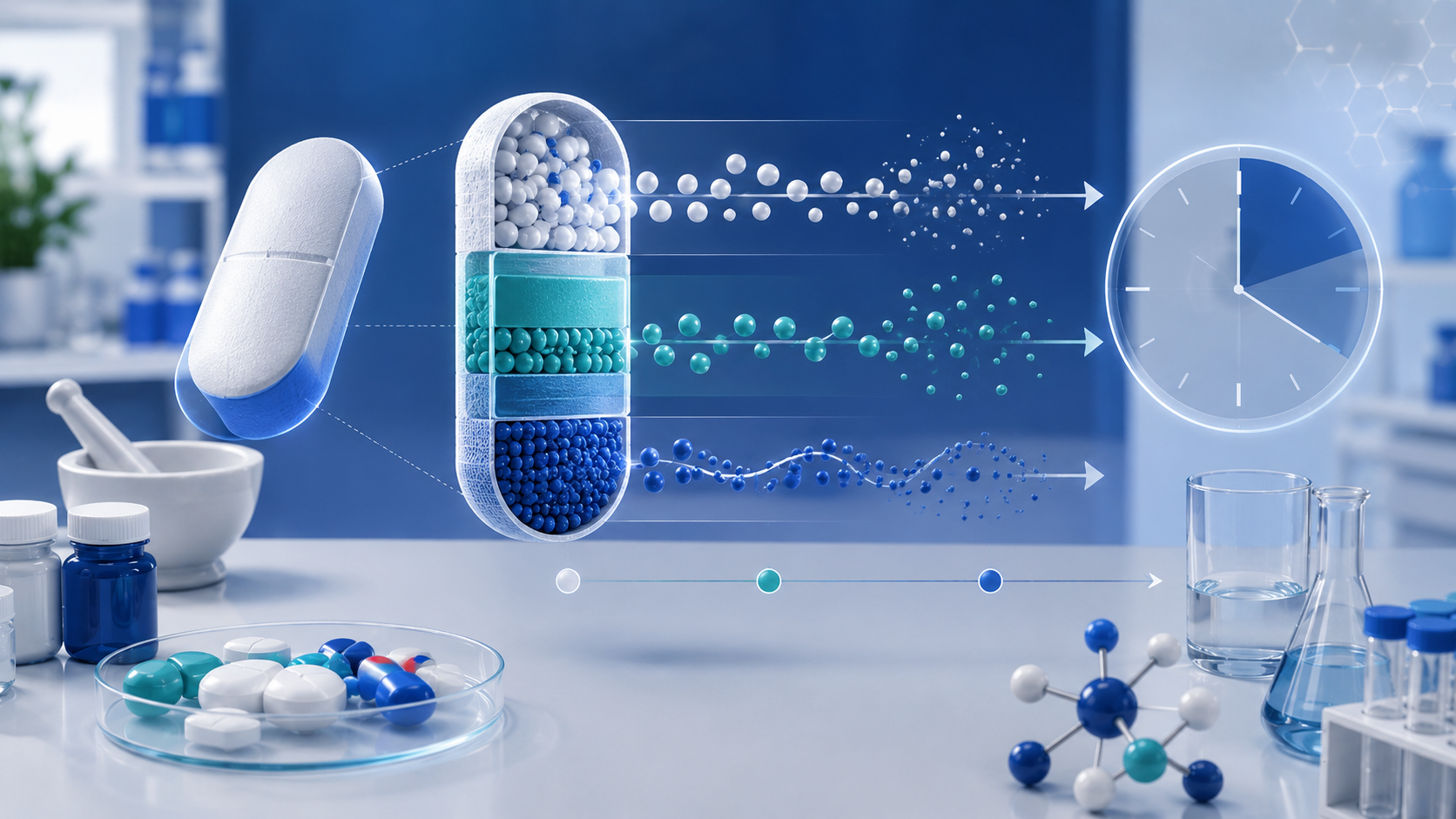
تؤثر كثافة الحشو الداخلي في مسامية القرص وسرعة دخول السوائل إليه. الكثافة المنخفضة تساعد على تحرر أسرع، بينما الكثافة المرتفعة قد تؤدي إلى تحرر أبطأ أو ممتد.

التحديات

  • حساسية بعض المواد الفعالة للحرارة أثناء البثق والطباعة.
  • ضرورة اختيار بوليمرات آمنة ومتوافقة حيوياً وصيدلانياً.
  • صعوبة ضمان تجانس الخيط الدوائي وثبات قطره.
  • الحاجة إلى اختبارات جودة صارمة قبل أي تطبيق سريري.
  • غياب إطار تنظيمي واضح للأدوية المطبوعة داخل الصيدليات أو المستشفيات.

FDM 3D Printing: A Step Toward Personalized Pharmacy

By: Inana ALI
University of Latakia, Faculty of Pharmacy

What is FDM?

FDM is based on melting a thermoplastic filament and extruding it through a fine nozzle to build the dosage form layer by layer. In pharmaceutical applications, this filament can be loaded with an active ingredient, allowing tablets with a predefined internal structure to be produced.

Pharmaceutical importance

This technology makes it possible to adjust the dose, shape, and release profile according to the needs of the patient. It is therefore relevant to personalized medicine, especially for children, older adults, and patients with chronic diseases.

Drug release

Infill density affects tablet porosity and fluid penetration. Low infill density can accelerate release, while high infill density may produce slower or extended release.

Challenges

  • Thermal sensitivity of some active ingredients.
  • Selection of safe and biocompatible polymers.
  • Need for homogeneous drug-loaded filament with constant diameter.
  • Need for strict quality control tests.
  • Lack of a clear regulatory framework for printed medicines.

L’impression 3D FDM : une étape vers la pharmacie personnalisée

Par : Inana ALI
Université de Lattaquié, Faculté de Pharmacie

Qu’est-ce que la FDM ?

La FDM repose sur la fusion d’un filament thermoplastique, puis son extrusion à travers une buse fine afin de construire la forme pharmaceutique couche par couche. En pharmacie, ce filament peut contenir un principe actif, ce qui permet de produire des comprimés avec une structure interne prédéfinie.

Intérêt pharmaceutique

Cette technologie permet d’adapter la dose, la forme et le profil de libération selon les besoins du patient. Elle est donc particulièrement intéressante pour la médecine personnalisée, notamment chez les enfants, les personnes âgées et les patients atteints de maladies chroniques.

Libération du médicament

La densité de remplissage influence la porosité du comprimé et la pénétration des liquides. Une faible densité peut accélérer la libération, tandis qu’une densité élevée peut favoriser une libération plus lente ou prolongée.

Défis

  • Sensibilité thermique de certains principes actifs.
  • Choix de polymères sûrs, biocompatibles et acceptables en pharmacie.
  • Nécessité d’un filament homogène avec un diamètre constant.
  • Contrôles qualité stricts avant toute application clinique.
  • Absence d’un cadre réglementaire clair pour les médicaments imprimés.
الجودة والسلامة والذكاء الاصطناعي

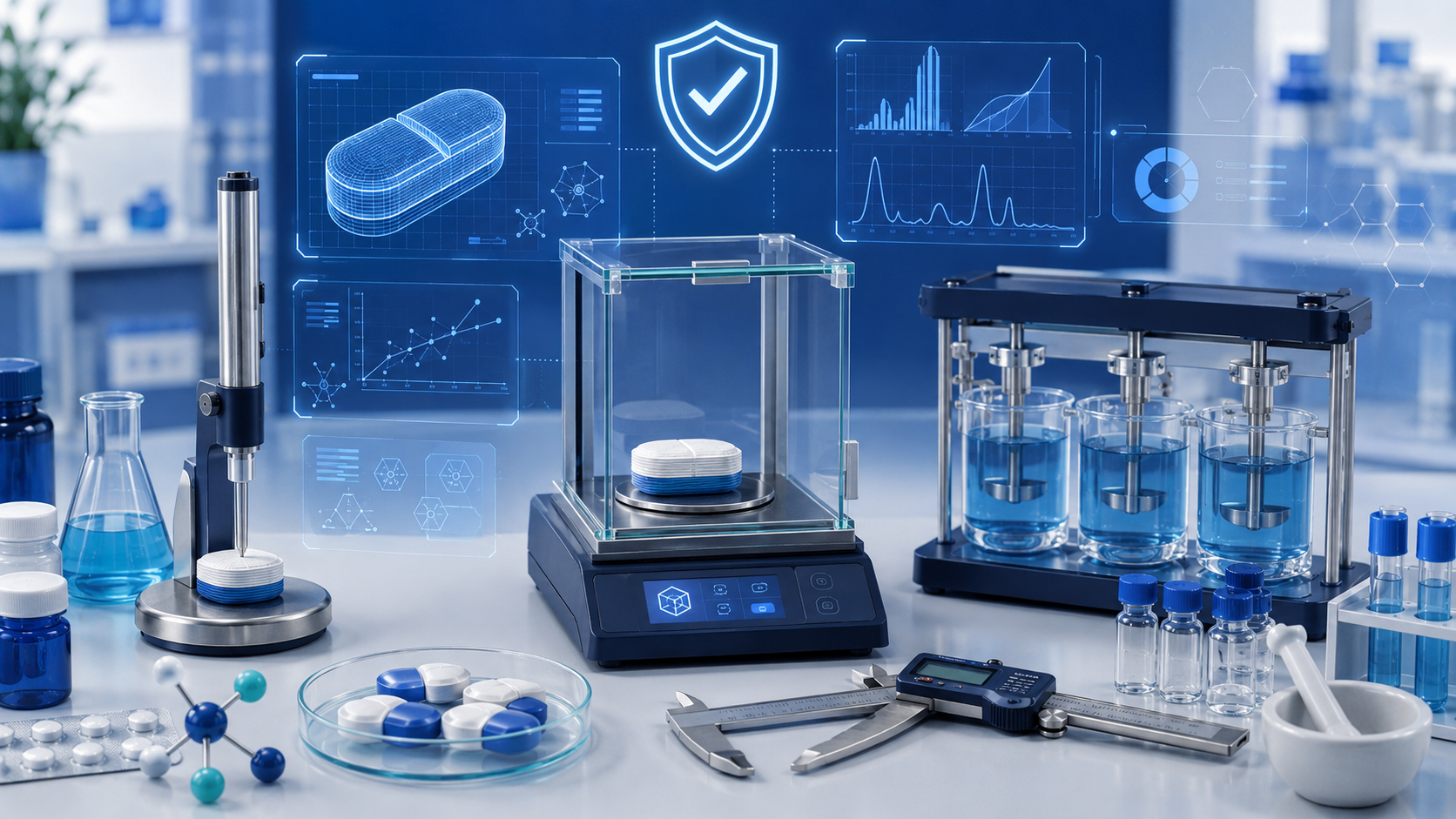
الدواء المطبوع ليس مجرد شكل هندسي، بل منتج علاجي يحتاج إلى تحقق صيدالني دقيق.

Quality, safety, and artificial intelligence

A printed medicine is not only a geometric object; it is a therapeutic product requiring strict pharmaceutical verification.

Qualité, sécurité et intelligence artificielle

Un médicament imprimé n’est pas seulement un objet géométrique ; c’est un produit thérapeutique nécessitant une vérification pharmaceutique rigoureuse.

Quality control

اختبارات الجودة

Quality testing

Contrôles qualité

AI monitoring

المراقبة الذكية أثناء الطباعة

Smart monitoring during printing

Suivi intelligent pendant l’impression

المراجع العلمية

  1. Goyanes, A., Wang, J., Buanz, A., Martínez-Pacheco, R., Telford, R., Gaisford, S., & Basit, A. W. (2015). 3D Printing of Medicines. Molecular Pharmaceutics, 12(11), 4077–4084.
  2. Norman, J., Madurawe, R. D., Moore, C. M. V., Khan, M. A., & Khairuzzaman, A. (2017). A new chapter in pharmaceutical manufacturing: 3D-printed drug products. Advanced Drug Delivery Reviews, 108, 39–50.
  3. Alhijjaj, M., Nasereddin, J., Belton, P., & Qi, S. (2019). Impact of Processing Parameters on FDM Solid Dosage Forms. Pharmaceutics, 11, 633.
  4. Mathew, E., Pitzanti, G., Larrañeta, E., & Lamprou, D. A. (2020). 3D Printing of Pharmaceuticals and Drug Delivery Devices. Pharmaceutics, 12, 266.
  5. Dumpa, N., Butreddy, A., Wang, H., Komanduri, N., Bandari, S., & Repka, M. A. (2021). 3D printing in personalized drug delivery. International Journal of Pharmaceutics.

Bibliographic references

  1. Goyanes, A., Wang, J., Buanz, A., Martínez-Pacheco, R., Telford, R., Gaisford, S., & Basit, A. W. (2015). 3D Printing of Medicines. Molecular Pharmaceutics, 12(11), 4077–4084.
  2. Norman, J., Madurawe, R. D., Moore, C. M. V., Khan, M. A., & Khairuzzaman, A. (2017). A new chapter in pharmaceutical manufacturing: 3D-printed drug products. Advanced Drug Delivery Reviews, 108, 39–50.
  3. Alhijjaj, M., Nasereddin, J., Belton, P., & Qi, S. (2019). Impact of Processing Parameters on FDM Solid Dosage Forms. Pharmaceutics, 11, 633.
  4. Mathew, E., Pitzanti, G., Larrañeta, E., & Lamprou, D. A. (2020). 3D Printing of Pharmaceuticals and Drug Delivery Devices. Pharmaceutics, 12, 266.
  5. Dumpa, N., Butreddy, A., Wang, H., Komanduri, N., Bandari, S., & Repka, M. A. (2021). 3D printing in personalized drug delivery. International Journal of Pharmaceutics.

Références bibliographiques

  1. Goyanes, A., Wang, J., Buanz, A., Martínez-Pacheco, R., Telford, R., Gaisford, S., & Basit, A. W. (2015). 3D Printing of Medicines. Molecular Pharmaceutics, 12(11), 4077–4084.
  2. Norman, J., Madurawe, R. D., Moore, C. M. V., Khan, M. A., & Khairuzzaman, A. (2017). A new chapter in pharmaceutical manufacturing: 3D-printed drug products. Advanced Drug Delivery Reviews, 108, 39–50.
  3. Alhijjaj, M., Nasereddin, J., Belton, P., & Qi, S. (2019). Impact of Processing Parameters on FDM Solid Dosage Forms. Pharmaceutics, 11, 633.
  4. Mathew, E., Pitzanti, G., Larrañeta, E., & Lamprou, D. A. (2020). 3D Printing of Pharmaceuticals and Drug Delivery Devices. Pharmaceutics, 12, 266.
  5. Dumpa, N., Butreddy, A., Wang, H., Komanduri, N., Bandari, S., & Repka, M. A. (2021). 3D printing in personalized drug delivery. International Journal of Pharmaceutics.